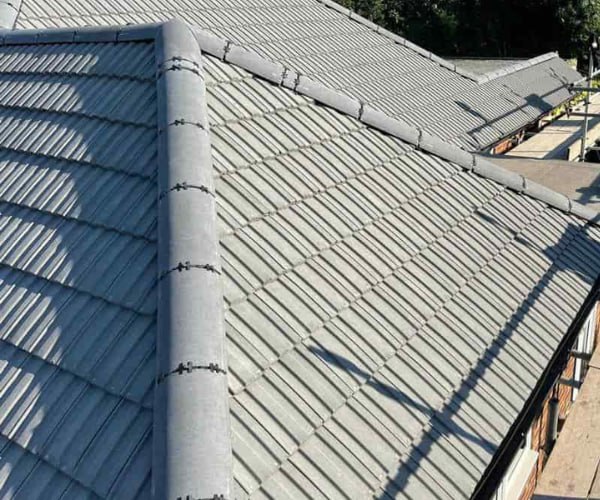
Roof Leak Repairs: How to Find the Source of a Roof Leak
A damp patch on a ceiling does not necessarily sit directly beneath the point where water entered the roof. Rainwater can travel along underlay, battens, rafters and other surfaces before becoming visible inside the property. This is why accurate roof leak detection is essential before repair work begins.
Repairing the wrong area may provide no lasting improvement, while the original defect continues to expose the roof structure to moisture. A methodical inspection helps connect the internal symptoms with the external cause.
How the Source of a Roof Leak Is Identified
Start With the Internal Signs
The first stage is to establish where and when the leak becomes visible. Useful signs include:
- Brown or yellow staining on ceilings
- Damp patches on walls
- Peeling paint or discoloured plaster
- Moisture around a chimney breast
- Drips during prolonged rainfall
- Dampness that appears only in windy weather
- Musty odours within the roof space
- Wet insulation or stained timbers
The timing of a leak can provide important clues. A problem that appears during wind-driven rain may differ from one that develops after several hours of steady rainfall. Recording the conditions in which moisture appears can help narrow down the possible source.
Inspect the Roof Space
Where it is safe and accessible, the roof space may reveal the route taken by the water. Dark staining, damp timbers, wet insulation or marks on the underlay can indicate how moisture has travelled.
The visible drip point should be traced upwards and towards the roof slope. Water often follows rafters or other components before dropping onto a ceiling, so the search must extend beyond the damp patch itself.
Daylight visible through the roof may indicate a gap, but many leaks are too small to be identified this way. Underlay can also redirect water away from the original opening.
Check for Damaged or Displaced Tiles
Cracked, broken or slipped tiles are common causes of water ingress. Even a small change in position can disturb the overlaps that guide rain down the roof.
The surrounding tiles should also be checked. A displaced tile may have resulted from failed fixings, weakened battens or movement in an adjoining section. Replacing the visible tile without addressing its cause may allow the problem to return.
Examine Ridges, Hips and Verges
Ridge and hip tiles cover important junctions where roof slopes meet. Cracked mortar, failed fixings or displaced tiles can create openings through which rain enters.
Verges at the ends of a roof also require attention. Loose mortar, gaps or damaged coverings may allow wind-driven rain beneath the roof surface. These areas are particularly exposed and should be inspected carefully rather than judged only from ground level.
Assess Chimneys and Lead Flashing
Chimneys create several junctions where the roof covering meets vertical masonry. Lead flashing is installed to seal these connections and direct water away.
Leaks may develop if the flashing has lifted, split or pulled away from the brickwork. Deteriorated pointing or defects at the top of the chimney can also allow water to enter.
Moisture appearing near a chimney does not always originate from the nearest visible edge. The complete chimney and its adjoining roof details should be assessed.
Inspect Roof Valleys
Valleys carry concentrated flows of rainwater between two roof slopes. Debris, damaged linings or poorly positioned tiles can restrict this flow and force water beneath the covering.
A valley leak may affect a large internal area because of the amount of water it handles. The lining, tile edges, underlay and surrounding support should all be checked before deciding on the repair.
Check Flat Roof Junctions and Outlets
Flat roof leaks commonly occur around edges, outlets, seams, upstands and points where the covering meets another structure. Cracks, blisters, splits or lifting material may also allow moisture to penetrate.
Standing water can place additional pressure on weak areas. The inspection should therefore consider whether outlets are clear and whether the roof has suitable falls towards its drainage points.
Consider Gutters and Roof Drainage
Not every damp patch is caused by a defect in the main roof covering. Blocked, damaged or poorly aligned gutters can overflow against fascias, walls and roof edges.
Valley outlets and other drainage points should also be examined. If water cannot leave the roof efficiently, it may back up beneath tiles or enter through otherwise minor weaknesses.
Match External Defects With Internal Evidence
Finding one visible defect does not automatically confirm the source of the leak. A reliable diagnosis should connect the external problem with the staining, moisture route and weather conditions observed inside.
The inspection may need to consider:
- The position of the internal damp patch
- The direction of the roof slope
- Water marks on timbers or underlay
- Nearby chimneys, valleys and roof junctions
- The type of rainfall that triggers the leak
- Previous repair areas
- More than one possible entry point
This evidence-led approach reduces the likelihood of repairing a defect that is unrelated to the actual leak.
Why Professional Leak Detection Matters
Working at roof level involves significant risk, and many important defects cannot be assessed safely from a ladder or from the ground. A professional roofer can examine the complete affected area and determine whether damage is confined to the outer covering or extends to the underlay, battens or timber.
At SM Roofing Hatfield, we approach roof leak repairs by identifying the route and cause of water ingress before recommending the appropriate work. This helps ensure that the repair addresses the source rather than only the internal symptom.
Conclusion
Finding the source of a roof leak requires more than locating the nearest broken tile. Water can travel beneath the covering, making careful inspection of the roof space, tiles, flashing, valleys, junctions and drainage essential.
If you have noticed signs of a roof leak at your property in Hatfield, South Yorkshire, contact SM Roofing Hatfield to arrange a professional assessment and suitable roof leak repair.
Call us on: 01302 430 895
Click here to find out more about SM Roofing Hatfield
Click here to complete our contact form and see how we can help with your roofing needs.