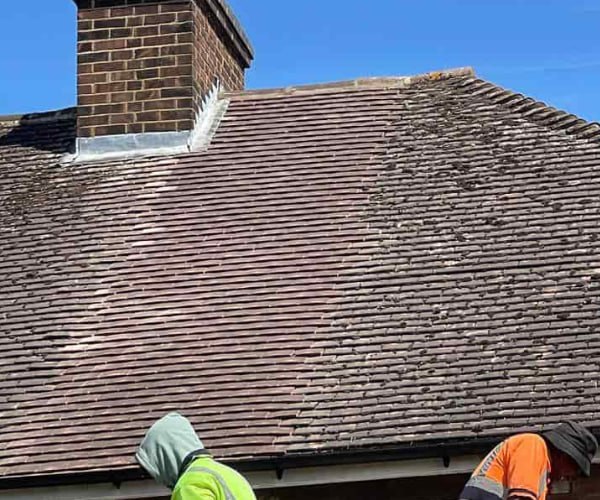
How Professional Roofers Find Leaks That Are Difficult to Trace
A roof leak is not always located directly above the damp patch or dripping water inside a property. Once rain passes through the outer covering, it can travel along underlay, battens, rafters or other surfaces before becoming visible elsewhere.
This movement makes some leaks particularly difficult to trace. For property owners in Hatfield, South Yorkshire, a systematic professional inspection can identify the route taken by the water, locate the point of entry and support a more effective repair.
How Difficult Roof Leaks Are Professionally Diagnosed
Professional leak detection involves examining the roof as a complete system rather than focusing only on the most obvious symptom. The roofer must connect internal evidence with the roof’s structure, external condition and performance during different weather conditions.
Starting with the Internal Signs
The investigation often begins where the moisture has appeared. The position, shape and condition of a ceiling stain can provide useful clues, although it rarely identifies the entry point by itself.
A roofer may examine the accessible loft space for:
- Water marks on rafters or battens
- Damp or compressed insulation
- Staining on the underlay
- Daylight entering through gaps
- Moisture around roof penetrations
- Signs that water has travelled along timber
- Areas that remain damp after rainfall
Following these indicators upwards can help narrow down the part of the roof that requires closer external inspection.
Understanding When the Leak Occurs
The weather conditions associated with a leak can reveal how water is entering. A problem that develops only during wind-driven rain may involve a displaced tile, an exposed overlap or a vulnerable junction. A leak that appears during prolonged rainfall may relate to a valley, drainage problem or water gradually penetrating deteriorated materials.
Useful information includes whether the leak:
- Appears immediately after rain begins
- Develops only after several hours
- Occurs during rain from a particular direction
- Worsens during strong winds
- Appears after gutters overflow
- Affects the same area every time
This pattern helps distinguish between different potential causes.
Inspecting Tiles and Slates Systematically
A tile or slate does not need to be missing completely to allow water into the roof. Hairline cracks, failed fixings and slight displacement may be difficult to see from ground level.
Professional roofers check whether coverings are seated correctly and maintain suitable overlaps. They also look for variations in alignment, fractured corners and signs that neighbouring materials have moved.
The area above and to either side of the internal damp patch may need to be inspected because water can travel down the roof before entering the property.
Checking Lead Flashing and Roof Junctions
Flashing protects the points where the roof meets chimneys, walls and other structures. Small splits, lifted edges or deteriorated joints can allow water into concealed areas.
These defects may produce intermittent leaks because the exact wind direction and intensity of the rainfall affect how much water reaches the opening. A professional inspection considers the complete junction rather than sealing only the first visible gap.
Examining Valleys and Drainage Routes
Roof valleys carry water from adjoining slopes and can handle considerable volumes during heavy rain. Cracks, displaced sections, accumulated debris or deteriorated linings may allow moisture to escape beneath the roof covering.
Gutters and other drainage points should also be checked. A blocked or poorly aligned gutter can cause water to overflow towards the roof edge, fascia or wall, producing damp that may initially appear to be a conventional roof leak.
Assessing Ridge, Hip and Verge Details
Ridge tiles, hip tiles and verges protect exposed sections of the roof. Failed mortar, weakened fixings or small areas of movement can create openings that admit wind-driven rain.
Because these details sit along high or exposed parts of the roof, water may travel a considerable distance before becoming visible indoors. Checking their condition is an important part of a complete leak investigation.
Looking Beneath the Visible Covering
The outer roof surface may appear serviceable while the materials beneath it have deteriorated. Underlay can become brittle, torn or damaged around fixings, reducing its ability to direct moisture safely towards the eaves.
Battens may also weaken after repeated exposure to water. Where appropriate, carefully lifting selected tiles can reveal defects that cannot be identified from a surface-only inspection.
Distinguishing a Leak from Condensation
Not every damp mark is caused by rain entering through the roof. Condensation can form when warm, moisture-laden air reaches cold roof surfaces, particularly where ventilation is limited.
Condensation is often more widespread, while a leak may follow a defined water track or become worse after particular rainfall. However, the symptoms can overlap. Examining ventilation, insulation and the pattern of moisture helps avoid carrying out roof repairs that do not address the actual cause.
Using Controlled Testing Where Appropriate
If visual evidence does not reveal the entry point, a controlled water test may sometimes help reproduce the leak. Water is introduced gradually to carefully selected external areas while the interior is monitored.
This process should be carried out methodically. Applying water across a large area at once can make the result unclear or force moisture into places it would not normally reach. Testing is only appropriate when conditions and the roof’s condition allow it to be completed safely.
Comparing the Evidence Before Recommending Repairs
A dependable diagnosis combines several findings:
- The location of internal moisture
- The route of visible water marks
- The timing of the leak
- The roof’s pitch and construction
- The condition of coverings and junctions
- The performance of drainage points
- Any defects found beneath the tiles or slates
This evidence-led approach reduces the risk of repairing the wrong area or overlooking more than one entry point.
Why Quick Surface Patching May Fail
Applying sealant to a visible gap may provide temporary protection, but it can also leave the underlying defect unresolved. If water is entering higher up the roof or travelling beneath the covering, the damp patch may return.
An effective repair should address the original entry point and any deterioration caused by the moisture. This may involve replacing damaged coverings, repairing flashing, restoring underlay or correcting a drainage problem.
Conclusion
Difficult roof leaks require more than looking directly above the visible drip. Professional roofers trace internal water marks, consider weather patterns and inspect tiles, flashing, valleys, drainage and concealed materials to establish how moisture is entering.
If a leak keeps returning or its source remains unclear, SM Roofing Hatfield can carry out a systematic roof assessment and recommend an appropriate repair. Contact our team to arrange professional roof leak detection in Hatfield, South Yorkshire.
Call us on: 01302 430 895
Click here to find out more about SM Roofing Hatfield
Click here to complete our contact form and see how we can help with your roofing needs.